



Airports experience flight delays, staffing shortages during shutdown
Staffing shortages hit major airports as TSA and air traffic controllers work unpaid during the government shutdown.
- A government shutdown is causing isolated flight delays due to staffing issues at some air traffic control facilities.
- TSA officers and air traffic controllers are essential employees who must work without pay during the shutdown.
- Officials state it is safe to fly, but prolonged shutdowns could lead to longer security lines and more delays.
The government shutdown entered its ninth day on Oct. 9, and with no sign of funding being restored, cracks were starting to show in the travel sector, as evidenced by isolated delays at some airports.
Security and air traffic control are two crucial airport functions managed by the federal government, leaving travelers wondering what this means for their flights.
The good news is that there’s rarely a direct major impact on airline schedules or safety, but that doesn’t mean there are no consequences for travel from a government shutdown
If you’re planning to fly before the government opens the fiscal taps again, here’s what you need to know.
How is the shutdown affecting flights?
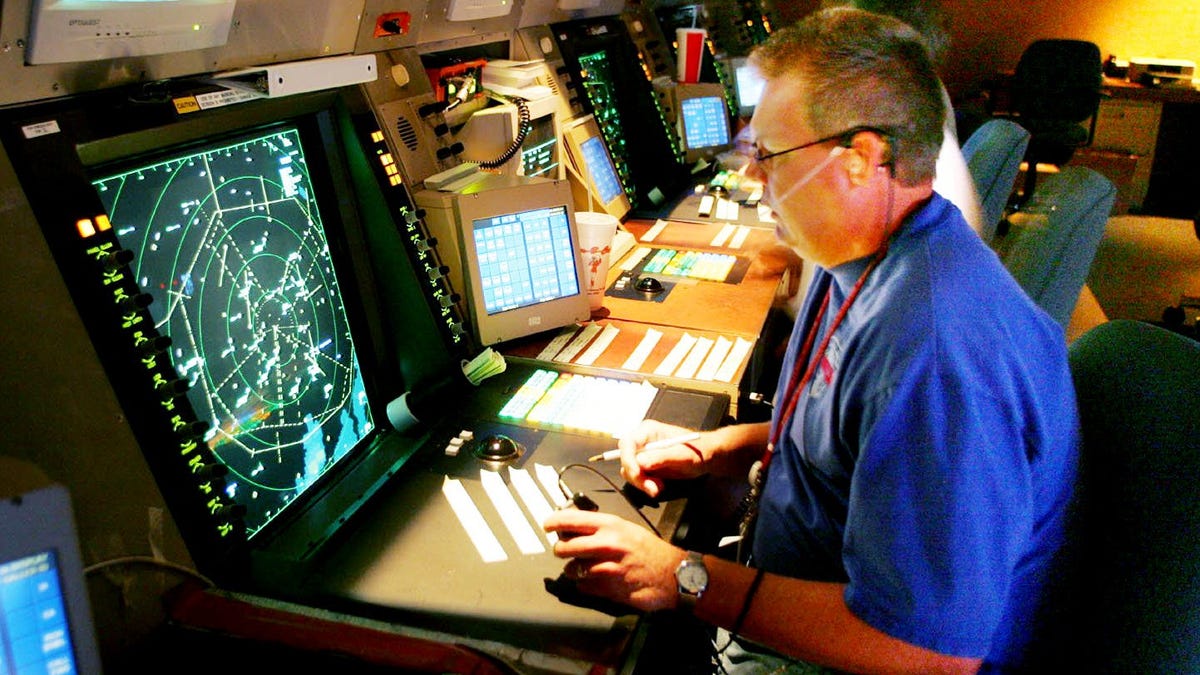
Transportation Security Administration officers who conduct screenings at airports, and Federal Aviation Administration air traffic controllers are considered essential employees, so they’re required to work during the shutdown, even as they don’t receive paychecks, so those roles largely continue as usual.
While delay numbers have been fairly low overall, staffing issues at some air traffic control facilities have led to issues. On Oct. 6, the Federal Aviation Administration had to delay flights into Burbank because the tower there was unstaffed for a few hours in the evening, and on Oct. 7, a similar issue occurred in Nashville.
It’s important to note that not all delays during the shutdown are attributable to the funding lapse. Weather is still a major driver of flight delays, regardless of what’s happening in Washington.
Still, in previous shutdowns, these essential workers have eventually started to call out from work in increasing numbers, which has led to longer security lines and delays at some airports.
“The air traffic controllers get a little tired, a little frustrated. Historically, this has happened and it’s happening now,” Sheldon Jacobson, an aviation expert and professor of computer science at the University of Illinois Grainger College of Engineering, told USA TODAY. For now, he added, the shutdown’s impacts on air travel are minimal, but delays and cancellations could grow as the shutdown stretches.
Already this week, the FAA has had to implement flow control programs at multiple U.S airports to cope with understaffed air traffic control facilities.
During a news conference on Oct. 6, Transportation Secretary Sean Duffy said the agency was prepared to do that whenever necessary to keep travelers safe.
“If we see those issues in the tower that are affecting controllers’ ability to effectively control the airspace, we’ll reduce the rate, and you can see more delays or you can see a cancellation,” he said.
Is it safe to fly during a shutdown
Officials insist that it’s safe to fly during the shutdown because the FAA is prepared to limit flights to a level that the controllers on duty can handle.
Still, Sara Nelson, president of the Association of Flight Attendants, a major union for airline workers, said that there are some safety concerns in the current environment.
Air traffic controllers, she said, “are coming to work under an increasingly unsafe scenario, because, in safety, we know, the first rule is to remove all distractions.”
She also told USA TODAY in an interview that many behind-the-scenes activities that help keep flying safe are no longer happening while the government is shut down.
“Right now we’re concerned that we don’t have people doing the weather service, we can have very serious turbulence injuries at work,” Nelson said. “We don’t have much of the people who do our cybersecurity work feeding intel to the TSA.”
Air traffic control has had longstanding staffing issues, but the stresses created by that are only exacerbated by the shutdown for controllers.
During his Oct. 6 press conference, Duffy acknowledged that the shutdown could also put a mental burden on air traffic controllers.
“Now, what they think about as they’re controlling our airspace is, how am I going to pay my mortgage? How do I make my car payment? I have a couple of kids at home. How do I put food on the table? I’m working six days a week,” Duffy said. “Do I have to take a second job and drive Uber when I’m already exhausted from doing a job that’s already stressful to think about how I can make extra money because the government may not provide me a paycheck?”
Still, Nelson said she wants travelers to feel safe getting on planes, even during the shutdown.
“I want to assure travelers that there are hundreds of thousands of aviation workers on the front line who ask the question ‘is it safe?’ so the traveling public cannot take safety for granted,” she said. “We are not going to fly if it’s not safe.”
Which services could be increasingly impacted as the shutdown continues?
While airlines are private businesses, they rely on federally employed air traffic controllers to make sure their flights operate safely, as well as other federal employees who keep travelers safe at airports.
Air traffic control and TSA screenings are the most likely to be affected, as essential employees who aren’t being paid are more likely to stop showing up for work.
Ahead of the shutdown, the TSA warned in a social media post that a prolonged funding pause was likely to lead to longer security lines at the nation’s airports.
“While TSA is prepared to continue screening about 2.5M passengers a day, an extended shutdown could mean longer wait times at airports. We kindly ask for our passengers’ patience during this time,” the post said.
When the shutdown first began, airports continued to operate as usual, but the longer the shutdown lasts, the greater the strain on the system becomes.
How soon after the shutdown ends could things return to normal?
It varies by agency, according to Jacobson.
“With air traffic control, ultimately, it’s: how long will it take for people to get paid? That’s really what the bottleneck is. The question is, when are they going to feel whole again, that their work has resulted in a paycheck? That’s how long it’s going to take,” he said.
In previous shutdowns, air traffic delays and TSA screening issues were resolved quickly once the government announced its plan to restore funding and provide back pay to affected employees. However, there’s no official timeline or roadmap for restoration, given that the absences of essential employees that impact air travel during the shutdown are unplanned.

